


Many people describe receiving a cancer diagnosis as “a bucket of cold water”—that moment when the ground is pulled out from under them and they realize their own vulnerability.
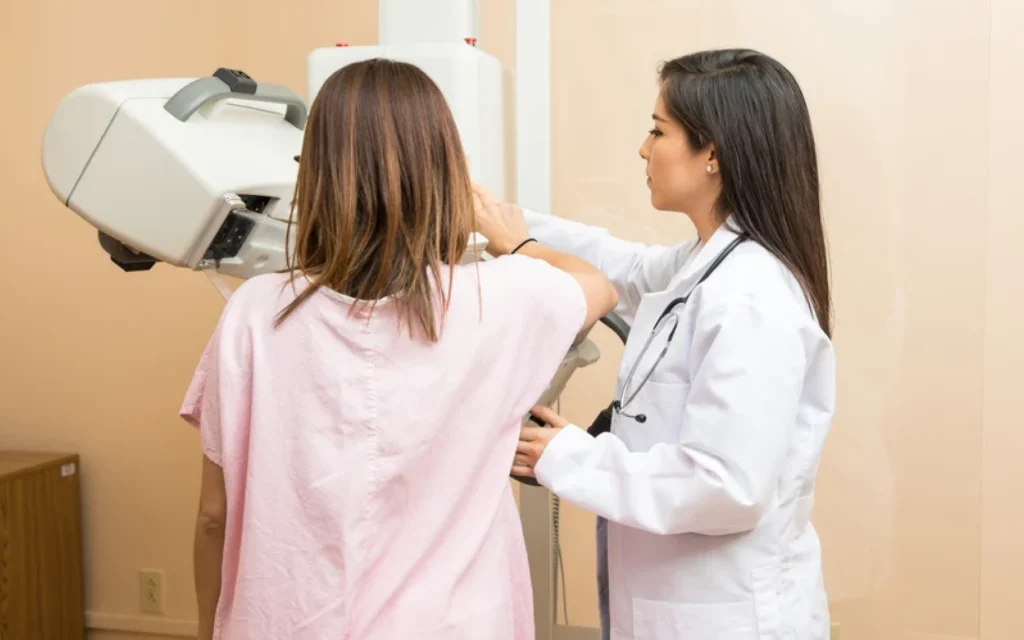
Life can take a 180-degree turn, requiring you to adjust to new circumstances: appointments, treatments, and tests. You have to learn medical terminology you had never heard before, modify your routines to adapt to the changes, and, of course, cope with the emotional impact—to a greater or lesser degree—that comes with the experience.
While it is true that this experience is fully understood only by the person suffering from the disease, many others—such as family members and friends—will also be affected by it.
Given this situation, it is natural to experience a range of emotions that are difficult to cope with; each person has their own way of facing the circumstances, and isolation is often a common reaction.
A person isolates themselves when they avoid or significantly reduce contact with others, or when they prefer to keep social contact—even with their closest loved ones—very limited.
There may be many reasons to avoid that contact: so I don't get asked what I have or how I am, so I don't have to give explanations, so I don't get judged, or so I don't cause others pain or pity.
The tricky part is that barriers can also be erected by those who do not suffer from the disease.
I decide not to speak with the person who has the illness because I don’t know what to say, because I don’t want them to see me cry, and because it hurts too much; so, if the person suffering from the illness isolates themselves and those who could offer support put up barriers, the only outcome is estrangement, loneliness, and the feeling that no one is with me in this process—all of which leads to deep emotional distress.
What, then, is the importance of good support networks?
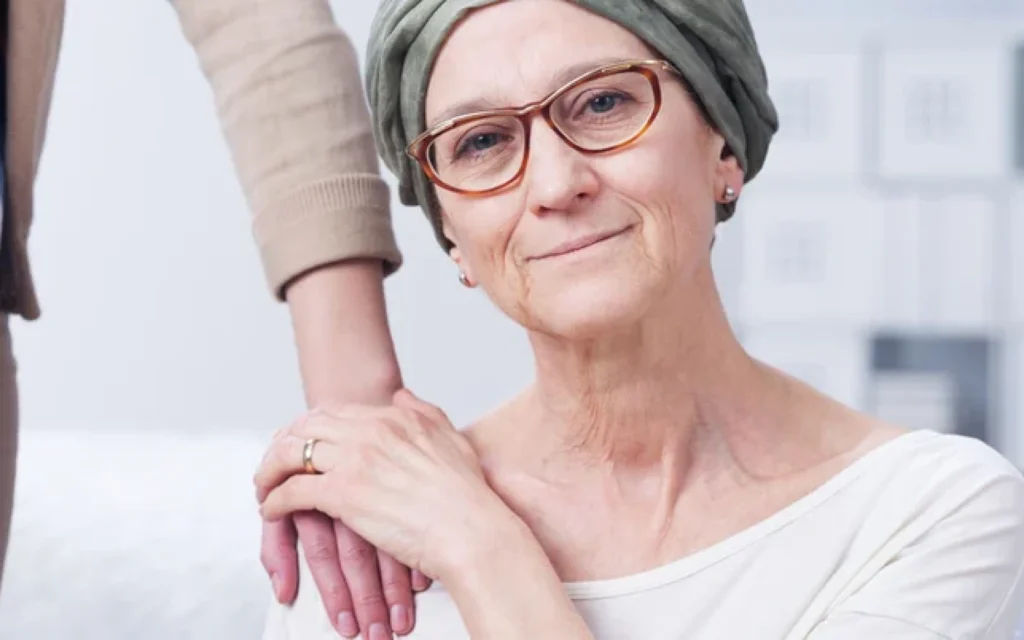
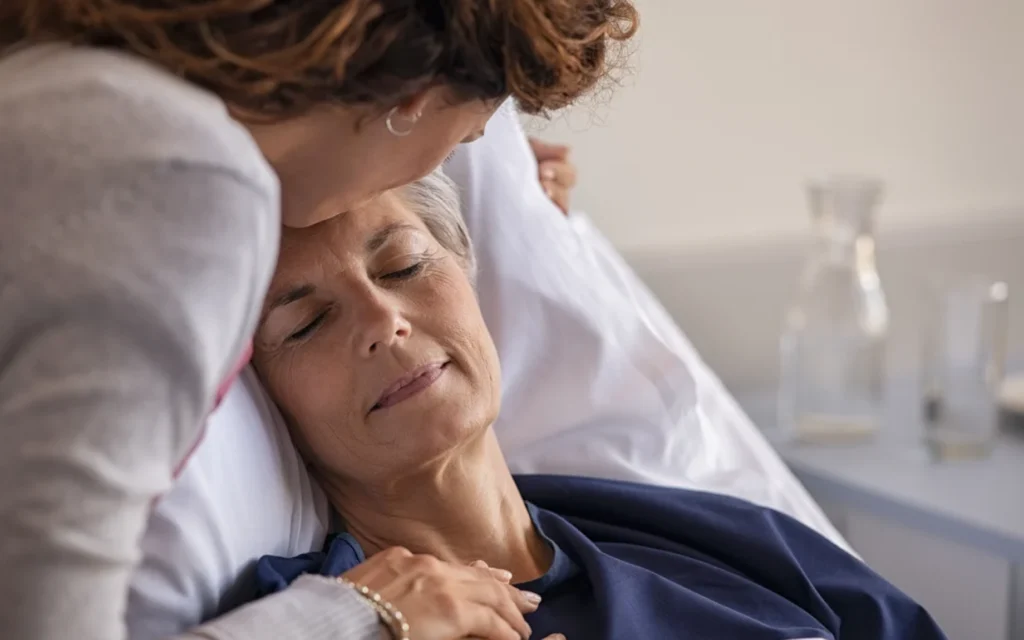
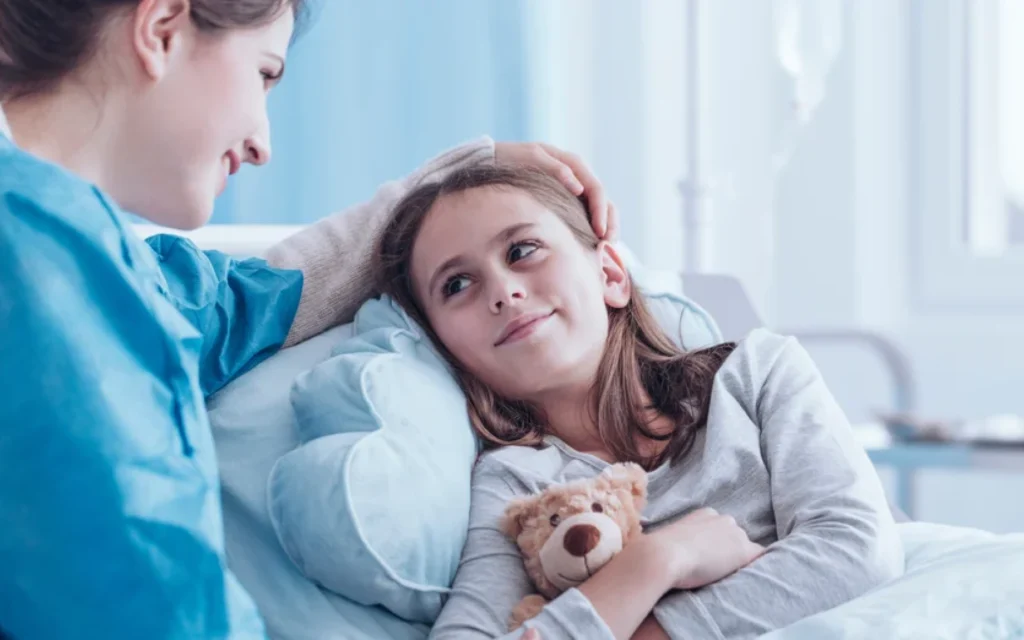
While people cannot make the pain of this process disappear, they can stand by us, and that lightens the burden.
The fact is, we don’t have to talk to everyone about the illness if we don’t want to, but we can certainly surround ourselves with those who help us navigate it. Each person can play a different role—a specific function through which they can best support us.
Amidst the changes in routines, financial expenses, and new treatments and processes, there are various roles in which these individuals can provide support:
- Assist with household chores such as cleaning, cooking, and childcare.
- Provide transportation to various appointments or treatments.
- Bring groceries or medications home.
- Look for support options such as foundations or associations.
- Listen and provide support in the face of emotional distress.
- Talk about topics other than the illness.
- Guiding people toward fulfilling experiences.
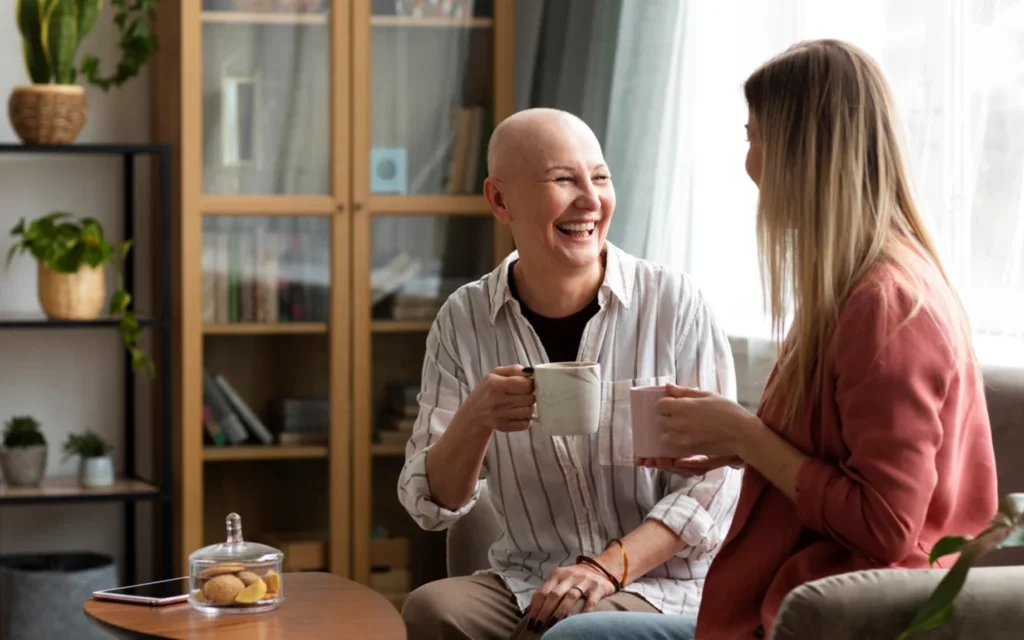
- Maintain contact and include in activities.
Cancer will drastically alter your life, but it doesn't have to be the only thing in your life.
Having other people close by will help you remember that you are more than the illness you are suffering from.
Isolating yourself might make you feel better in the short term, but in the medium and long term, it will distance you from what matters most. As mentioned at the beginning, companionship won't cure the illness, but it will help you cope with it. Allowing yourself to be helped will be crucial to minimizing mental and emotional strain.
And if difficulties arise in managing emotions or communicating with others, support from the psicooncología It could help you strengthen the bond with your loved ones through assertiveness and affection.
Whether you are living with the condition or supporting someone who has it, it is natural not to know what to do or how to act in these circumstances. Seeking support will help you gain self-insight and learn how to respond to the challenges you may face along the way.
Prepared by:
Licda. Sofía Valerio Peña