

No one is born knowing how to care for another person; that is something you learn along the way.
Moms and dads have surely already gone through a tremendous learning process involving great effort to raise the son or daughter who joined their family. One never expects that, at some point along the way, the person they have cared for and loved so deeply will be diagnosed with cancer.
Facing a child's cancer journey is no simple task.
Just as the person suffering from the illness may experience significant emotional changes, it is also to be expected that parents will experience instability. It is common to encounter emotions that are difficult to manage, such as guilt, fear, or a sense of helplessness.
There may also be significant doubt and concern regarding caregiving, recriminations over past actions, and disruptions to sleep and appetite, among other changes. In this context, a potential risk is that parents may experience emotional overload, making it difficult for them to provide support.
That is why, today, I would like to share with you some tools that can help you navigate these processes.
It is important to emphasize the need to tailor these recommendations to the child's level of maturity. Supporting a young child which likely requires a high level of presence and guiding the process together differs from working with an adolescent, who needs a bit more space to foster independence, or an adult, who will freely decide how to manage their own process.
- It is necessary to distinguish between your own needs and those of your son or daughter, as they are not usually the same. It is not advisable to make assumptions about what the person needs; it is always better to ask them directly.
- Learning to listen to and validate your child's emotions is crucial, even when those emotions are not pleasant. Knowing that Mom or Dad will listen even when things don't feel good can strengthen trust. Escuche para entender, no para responder.
- Be careful not to fall into judging or criticizing the way the person is handling the process. No se juzga el dolor que no se siente.
- It is recommended to tailor the information regarding the illness to the individual's level of maturity. Withholding information is discouraged, as doing so can lead to misunderstandings, mistrust, and even a sense of insecurity in the person with the illness, compounded by a feeling of loneliness.
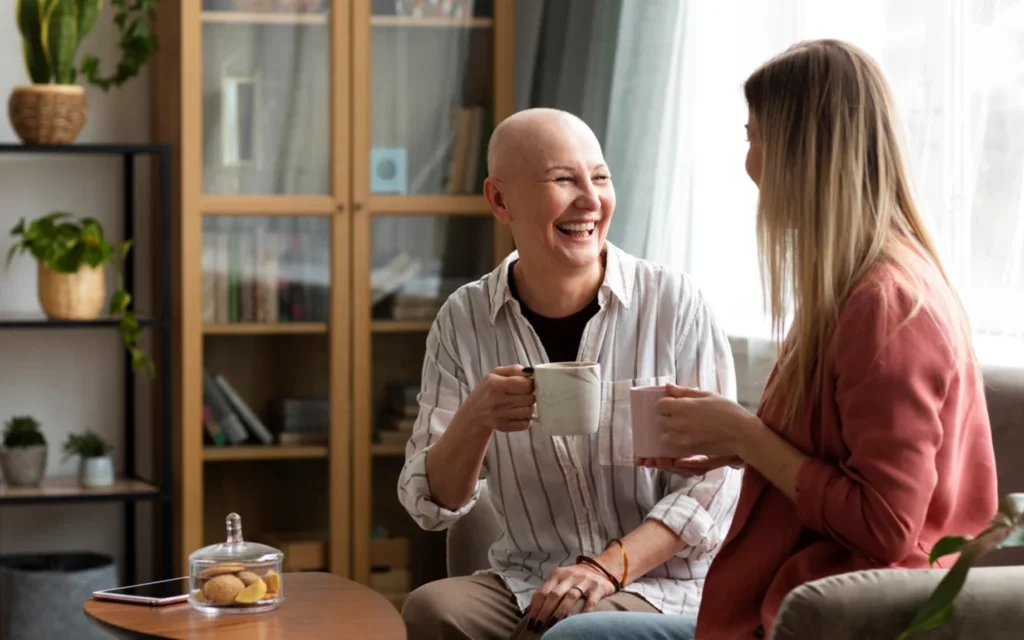
- Try to make room to **create new, pleasant memories** whenever possible. Even with cancer, the person remains an individual who needs connection with loved ones and moments of leisure. Supporting them in continuing to nurture other areas of their life will be essential.
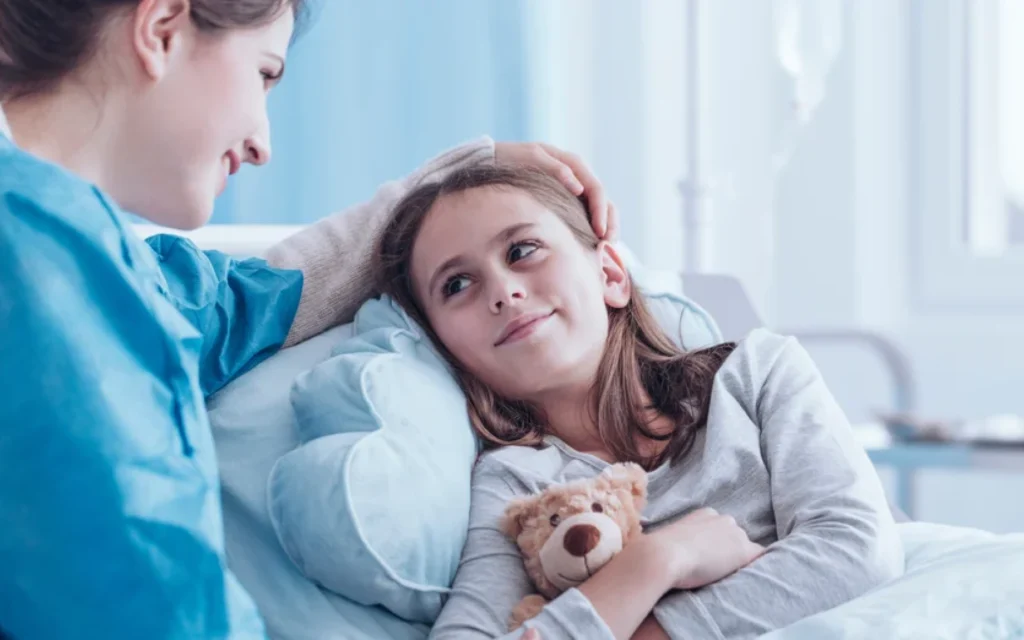
- When dealing with children, one of the most important recommendations is to tailor the information to their level of maturity and to maintain as far as possible a certain routine that provides the greatest possible stability.
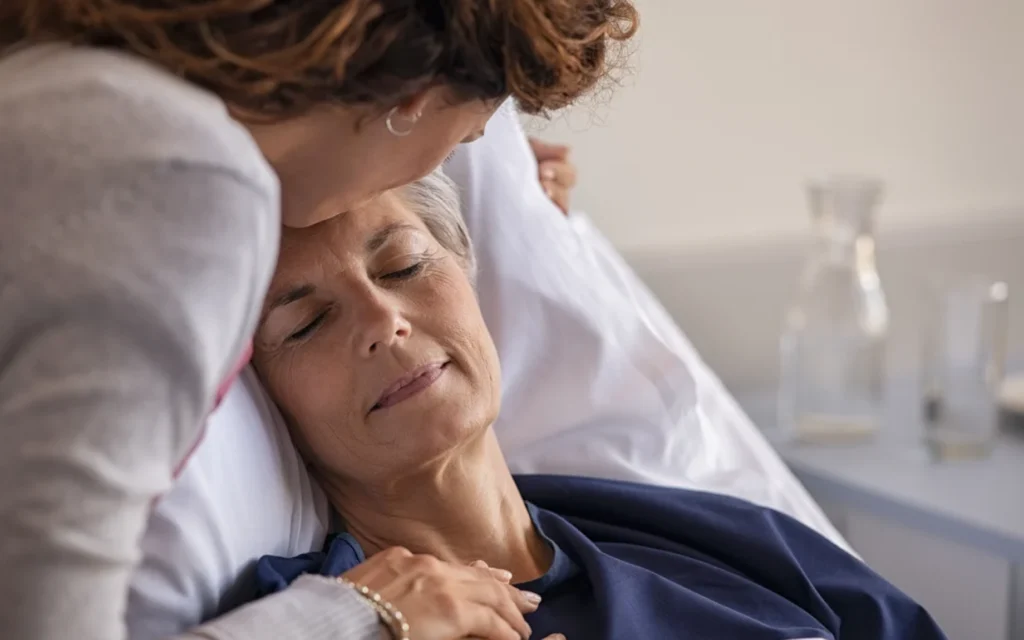
- For older adults, it is recommended to offer support with practical tasks such as grocery shopping, transportation, ordering medication, cooking, or cleaning. Offering companionship and respecting their decisions will be helpful to them.
- It will be essential to allow yourself personal spaces for emotional expression, whether with loved ones or with professionals who support you. Your emotions are also valid and need to be acknowledged and supported.
Remember that your pain is not secondary. As a fundamental pillar in supporting and caring for your son or daughter, do not hesitate to seek a safe space where you can express and process your emotions.
Prepared by:
Licda. Sofía Valerio Peña