

Comprehensive care to face cancer with confidence.
At the Metropolitan Hospital Cancer and Hematology Center, every patient receives specialized, personalized care focused on their needs.
Our multidisciplinary team works in a coordinated manner to define the most appropriate approach for each case, integrating medical expertise, internationally recognized quality standards, high-level technology, and close support throughout the entire process.

Personalized cancer care and secure, which integrates medical experience with an extensive track record, international quality standards, state-of-the-art technology and support at every stage.
A story of growth, dedicated to your well-being
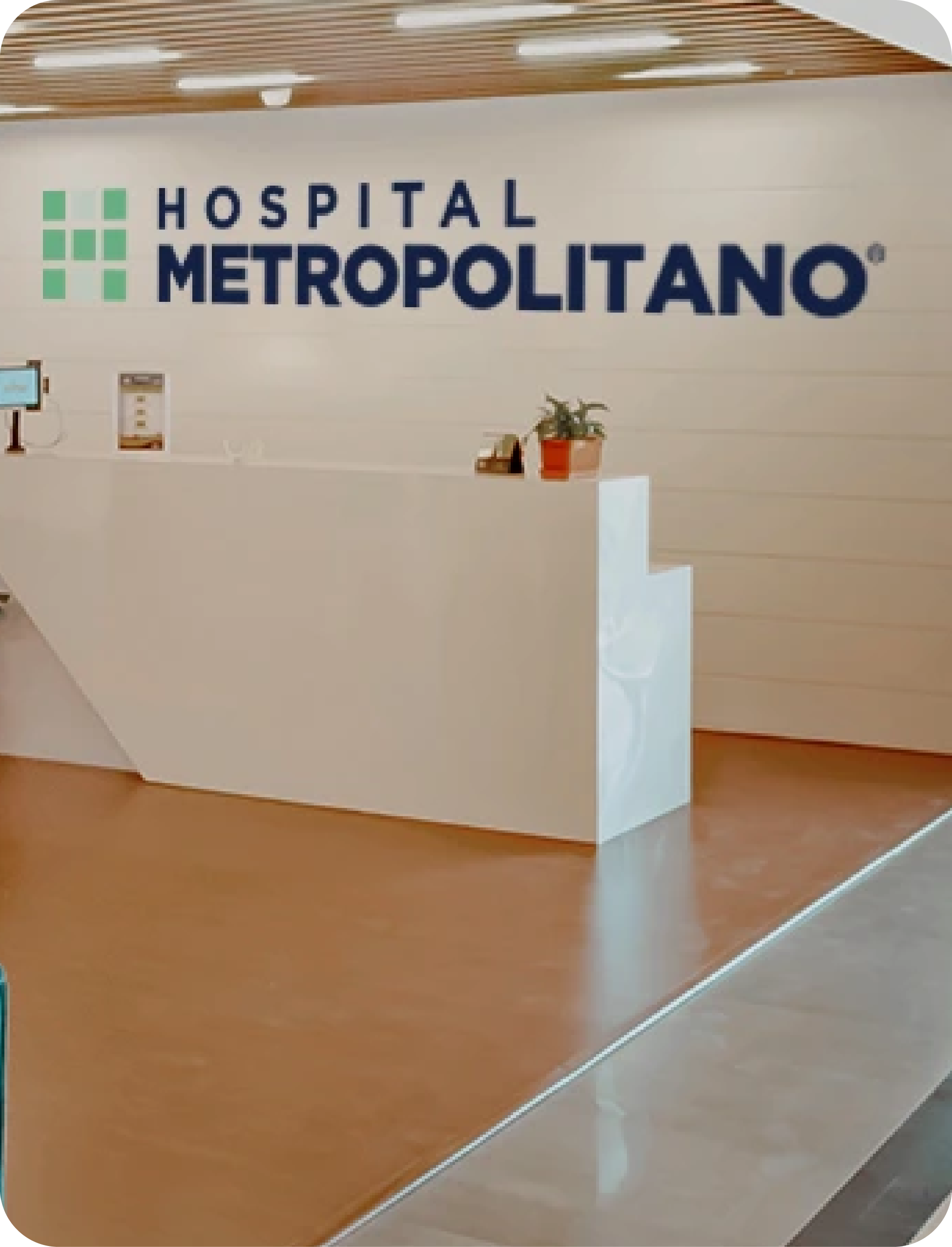
The Cancer and Hematology Center began operations in 2016. Since then, it has grown and evolved to establish itself as a leader in oncological and hematological care in the country.
Committed to providing increasingly comprehensive care, we have relocated our operations to the Lindora facility, bringing together modern, comfortable premises, state-of-the-art technology, and a team of highly experienced specialists focused on each patient's needs.
Today, we care for more than 100 patients a month and offer personalized solutions that include medical consultations, chemotherapy, immunotherapy, second opinions, and support throughout every stage of the process.
Comprehensive care throughout the entire process
Our center brings together in one place the services needed to support the patient from initial assessment and diagnosis through to treatment, recovery, and follow-up.
We offer various specialties and therapeutic options in oncology and hematology, coordinated to provide a continuous, timely approach tailored to the needs of each case.







Your health and well-being guide every decision
We work under rigorous quality and safety standards, with internationally recognized processes designed to provide confidence and peace of mind during your care.
Our team is ready to guide and support you with the personal approach you need.
Specialized, person-centered care
We are committed to providing you with attentive, coordinated care backed by highly experienced professionals. We offer you:

Infrastructure designed for your comfort and safety.
We offer comfortable spaces, private infusion rooms, and continuous monitoring by specialized staff.

Specialists with extensive experience
Our team brings together professionals in oncology, hematology, radiology, and other specialties, working in a coordinated manner to provide a comprehensive approach.

Connections with international centers
We maintain ties with internationally renowned institutions to strengthen knowledge exchange and expand the care options available to our patients.

Timely response to emergencies
In the event of a complication, we activate immediate care protocols and have the backing of the emergency and hospitalization services of the Metropolitan Hospital.

Transportation coordination for your care
When the patient requires assistance with transport, we can coordinate ground or air transportation options, depending on their needs and medical condition.
Stories that inspire
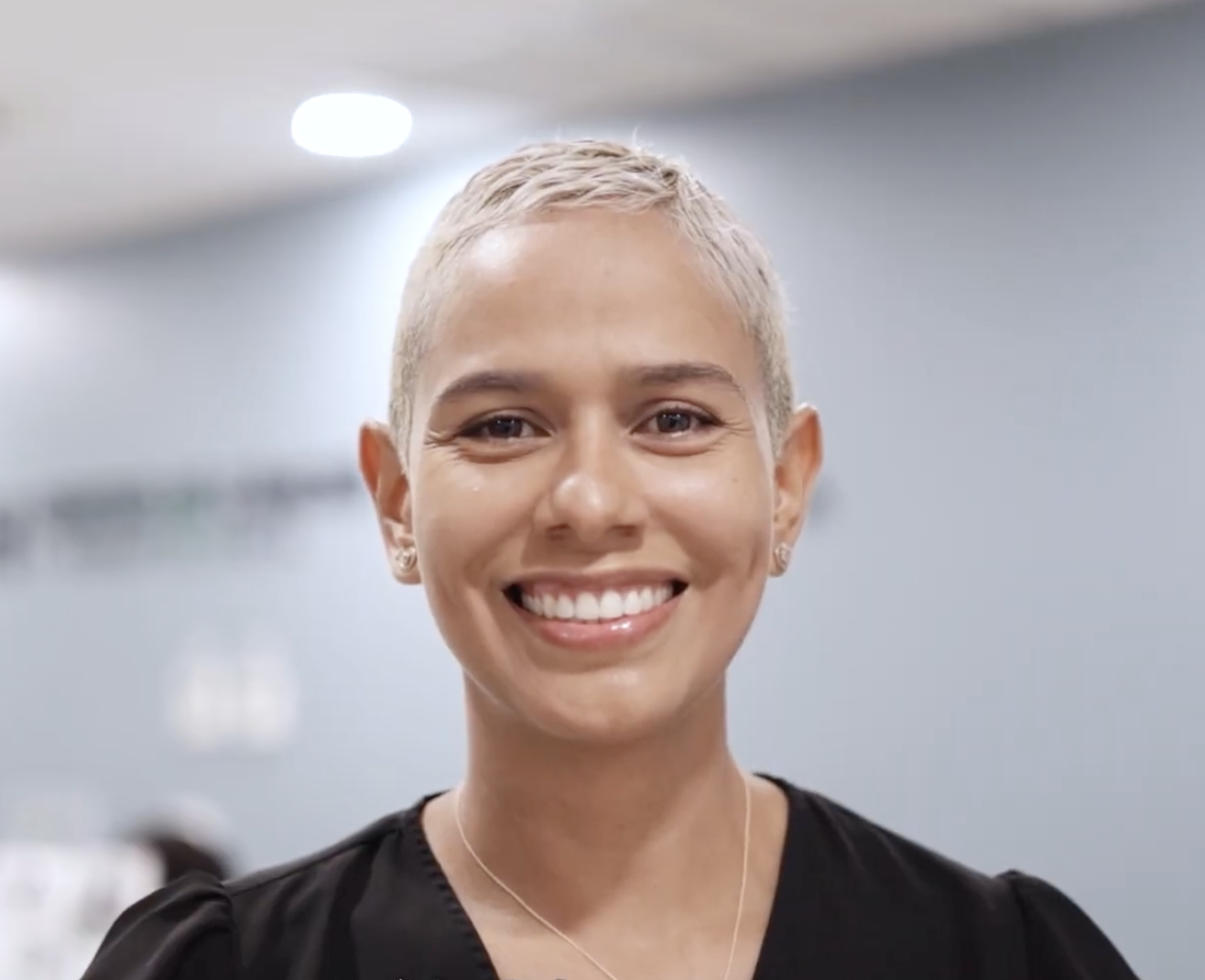
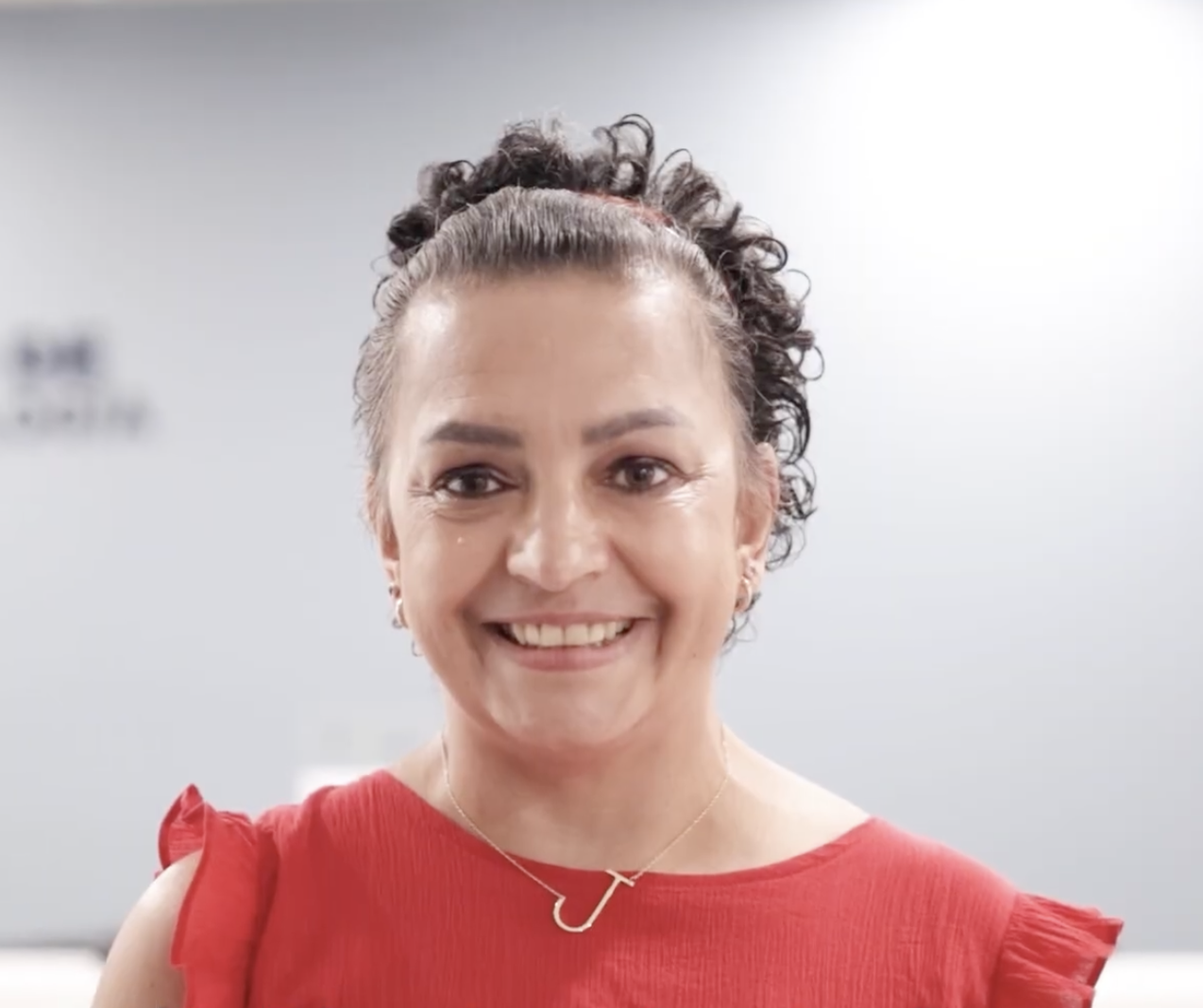
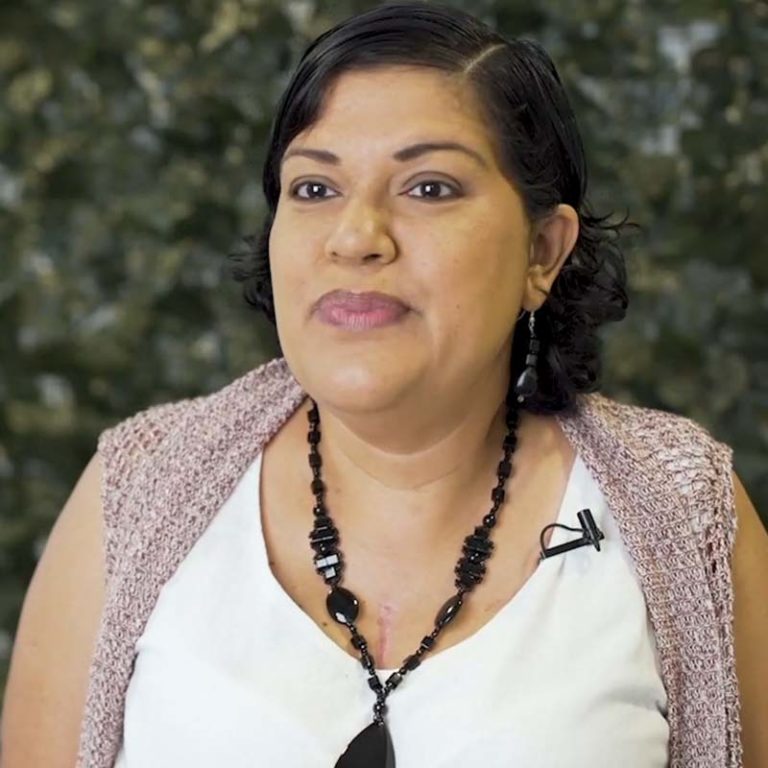
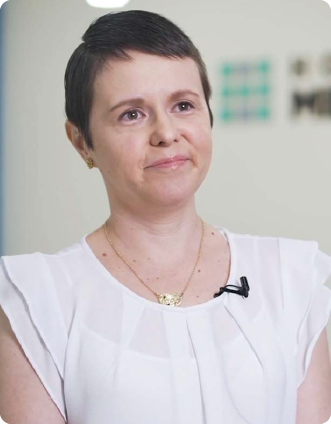
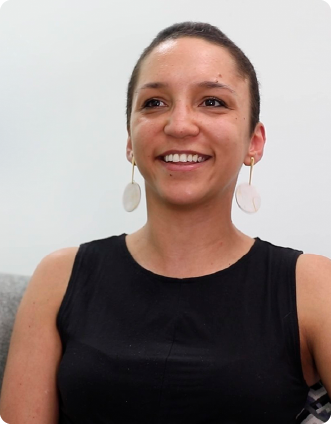
Every experience is unique. Discover the stories of patients and families who found care, guidance, and support at the Cancer and Hematology Center throughout their journey.



We are here to answer your questions.
We know that many questions can arise when starting treatment. Here, you will find clear, simple answers to some of the most frequently asked questions about the care, treatments, and services available at our Center.
Medical trust and support at your fingertips
We are here to help you. If you need more information about our services, to schedule an appointment, or to resolve your doubts, you can contact us directly.
Articles and tips for your wellness
On our blog you will find reliable information on cancer prevention, diagnosis, and treatment, as well as practical tips to take care of your health every day. Our goal is to provide you with clear and useful content that helps you make informed decisions









We are here to support you
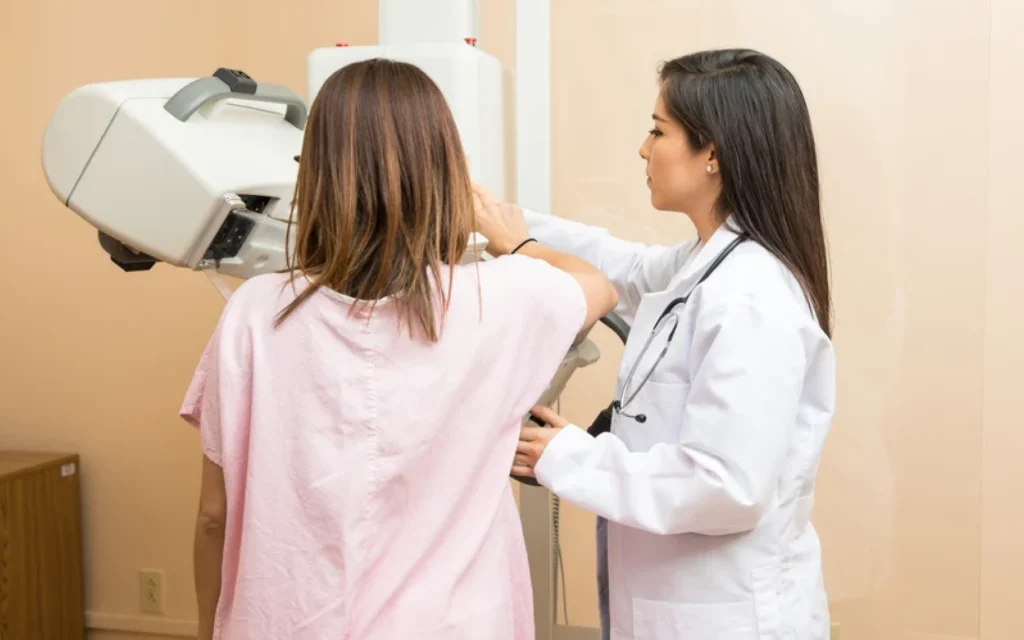
Fill out the form and our team will contact you to coordinate your appointment and guide you according to your needs.