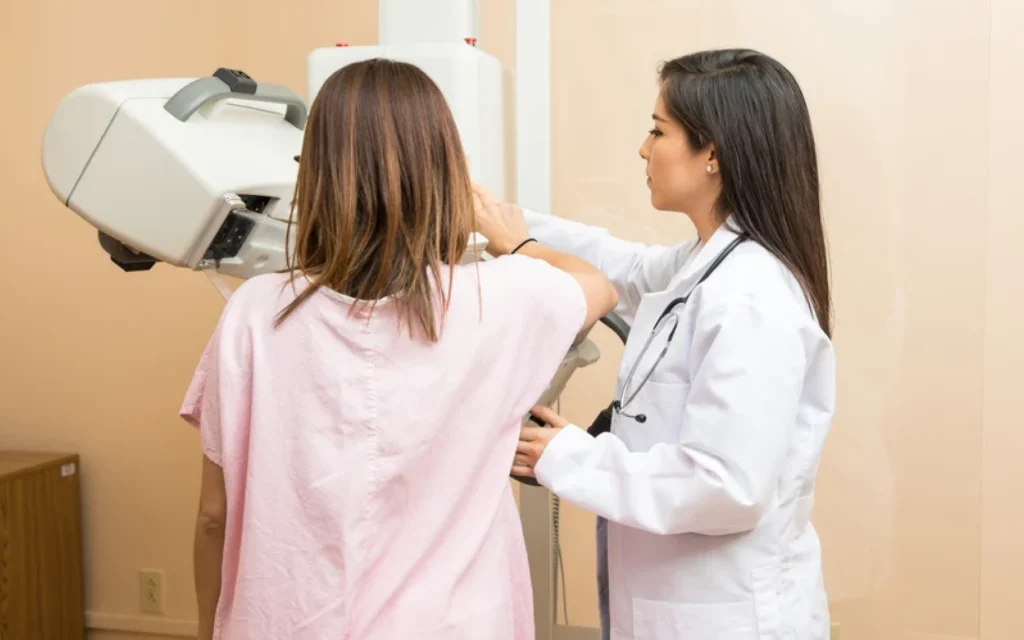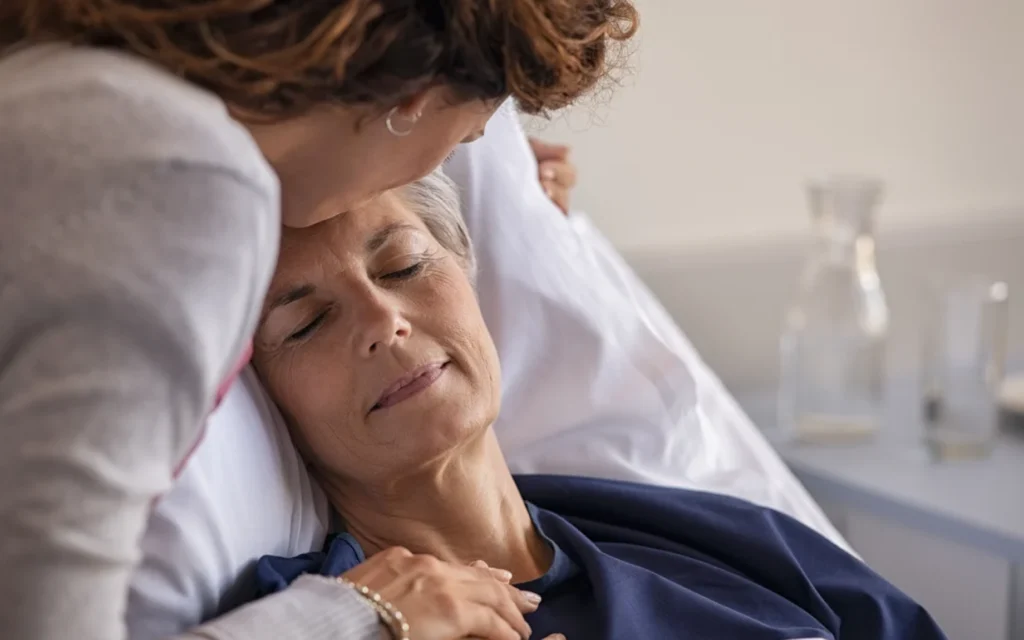



The oncology specialty is currently of utmost importance, as it represents the initial therapeutic approach a cancer patient receives and typically determines the final outcome of the disease.
A gynecologic oncologist is a professional who, after graduating as a general physician, completes a four-year residency in gynecology and obstetrics; following that, they undergo an additional three years of specialized training.
These three years of training involve acquiring in-depth, detailed knowledge of the relevant diseases and mastering the surgical skills needed to treat them. Prevention of these conditions is also a key part of their training.
The diseases involved encompass the following cancers:
- Vulvar cancer.
- Vaginal cancer.
- Uterine cancer.
- Fallopian tube and ovarian cancer.
- Breast cancer.
- Cervical cancer.
The latter two are among the most common cancers in Costa Rica; meanwhile, ovarian cancer poses a major challenge because, although less common, its clinical and biological characteristics make it one of the most difficult to treat.
All gynecologic oncology surgeries involve a high degree of technical difficulty, requiring appropriate training to perform them correctly.
It is currently well established that, to achieve optimal outcomes in various scenarios involving gynecologic malignancies, treatment must be provided by a gynecologic oncology specialist, as patient survival depends on this.
Prevention
Prevention is always better than treating a disease!
It is important to emphasize that the way we screen for diseases to detect them early is established by research studies that have defined the appropriate method for doing so.
It is also important that this procedure be performed by a gynecologic oncologist, as this ensures the correct technique is used and the best results are achieved.
Treatment
The rapid pace at which we receive medical information makes decisions regarding cancer treatment increasingly complex. This complexity necessitates the involvement of highly qualified subspecialists to achieve the best outcomes.
Once we face the possibility of cancer whether due to a biopsy or highly suggestive imaging results an evaluation by a gynecologic oncologist will allow for the proper formulation of a treatment plan.
It is important to understand that some cancers are treated with surgery first, followed by treatments such as chemotherapy and/or radiotherapy, whereas others receive neoadjuvant treatment (chemotherapy and/or radiotherapy first) followed by surgery.
The sequence of these treatments depends on the stage of the disease and the site of origin. Making the right decision regarding the order of these treatments will impact the final outcome.
Years of clinical and surgical training, along with the specialist's continuing medical education and experience, should be the most important factors when choosing the professional who will treat you.
Choosing the right specialist for your type of cancer will give you the best success rate and, consequently, the best chance of a cure.
Prepared by:
Dr. Oscar Sáenz, Gynecologic Oncologist