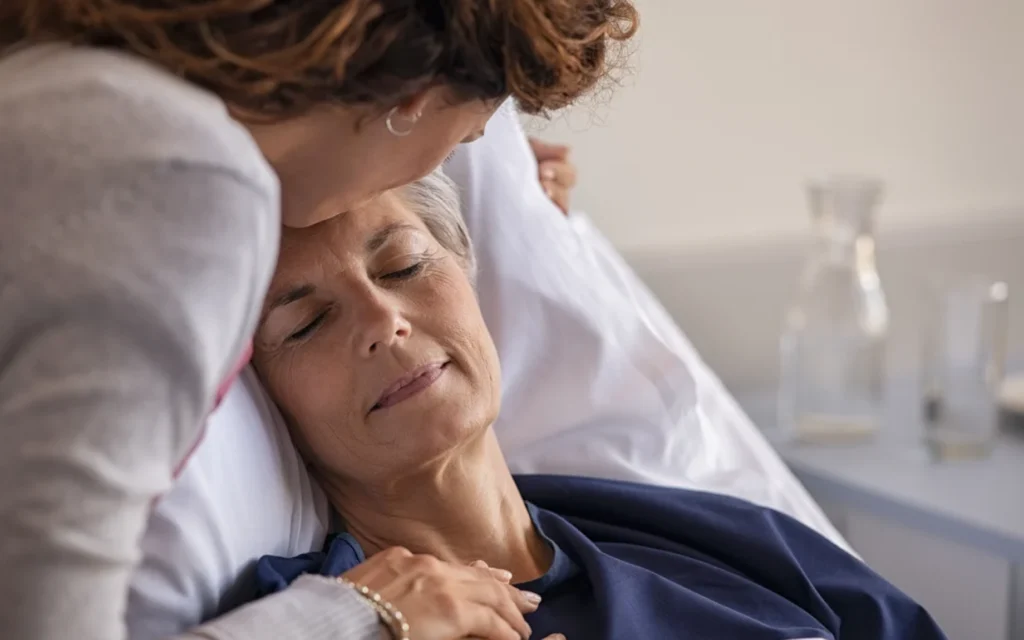


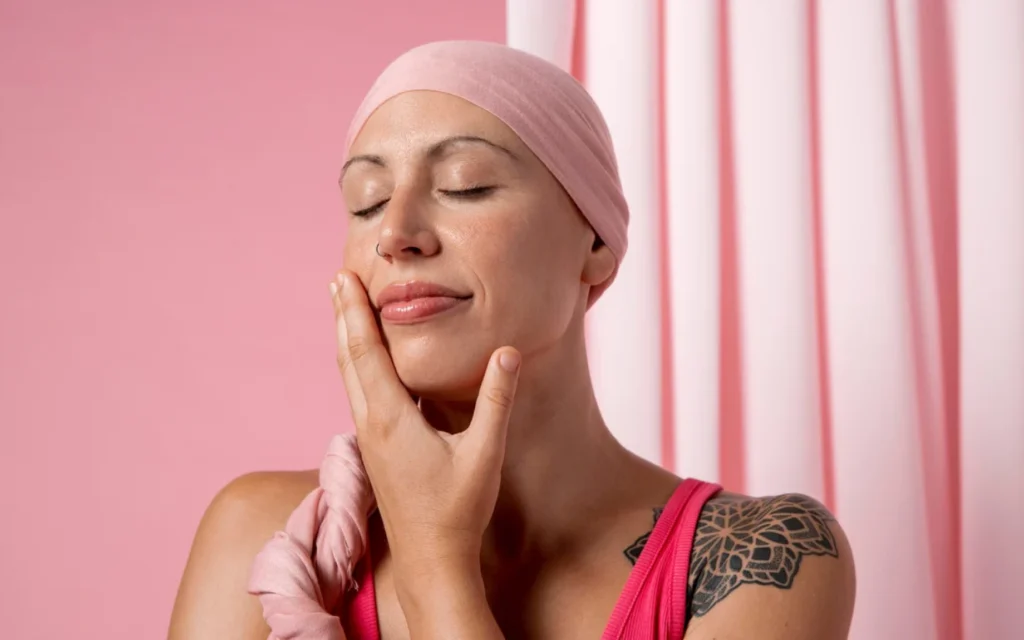
A cancer diagnosis usually significantly affects different areas of our lives, among them the relationship with others and the relationship with ourselves.
Illness and the various necessary treatments can affect our body in a number of ways; in this context, the concept of body image becomes important.
Briefly, body image can be understood as one of the elements that make up our self-image; it encompasses our physical appearance as well as our thoughts, perceptions, and feelings regarding our body and how it functions.
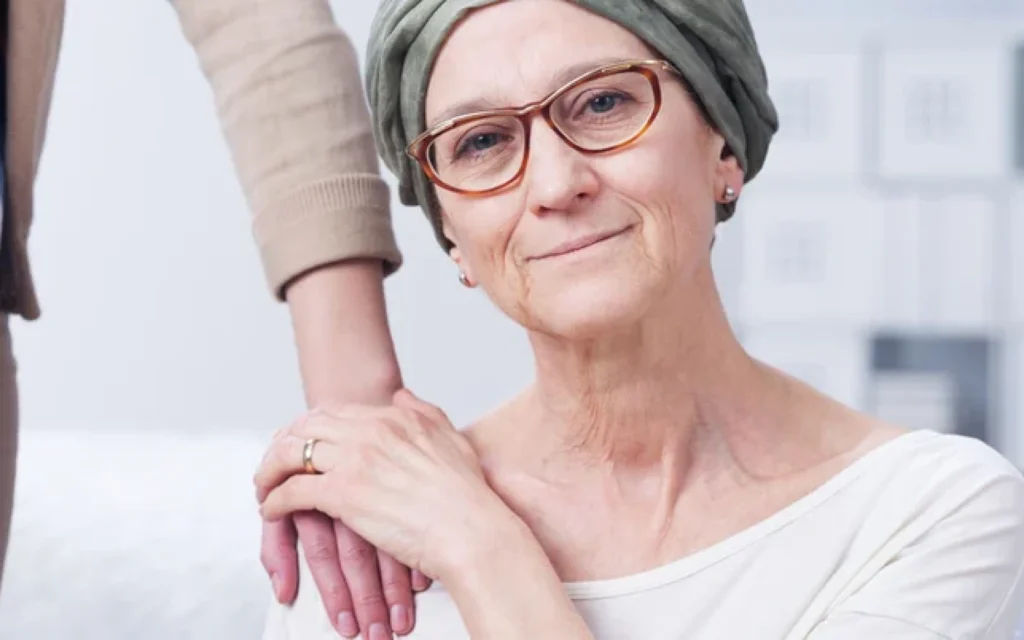
Throughout the course of cancer treatment, we undergo various changes in our bodies and appearance, and these changes can be linked to the emergence of emotions such as sadness, confusion, anger, guilt, annoyance, shame, worry, and fear.
At times, we lack clarity regarding how long these changes will last—whether they will be temporary or permanent—and we understandably struggle to accept and embrace them, as well as to process how they might affect our relationship with ourselves, with others, and with our surroundings.
In this regard, some practices we can adopt to cope with these changes and strengthen our relationship with our bodies and body image are the following:
- Sharing our concerns with our healthcare team: clarifying any questions we have regarding these changes, what to expect in terms of their duration, and whether there are any strategies or procedures that could help us feel more secure and comfortable.
- Consult our healthcare team about available resources that can support us through the process of grieving and gradual acceptance: physical changes can also entail a grieving process, so being aware of available mental health resources—such as psychological support or support groups—is both necessary and useful, and reaffirms that we are not alone in this journey.
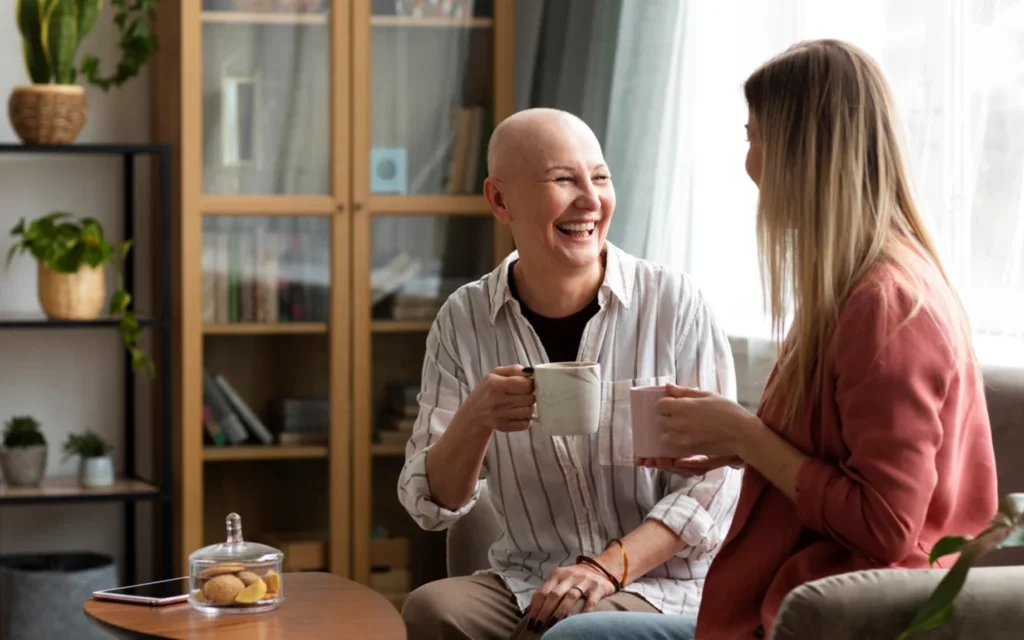
- Sharing our emotional state with trusted individuals in our support network: talking to people who truly listen and offer support—allowing us to share our emotions and understand our needs—is another invaluable resource in the process of accepting these bodily changes.
- Engaging in physical exercise, within our capabilities and following the recommendations of our healthcare team: beyond the general benefits for our overall well-being, physical exercise allows us to gradually reconnect with our bodies and relate to them from a different perspective; it also enables us to see in concrete terms what our bodies allow us to do and how they let us interact with our surroundings.
- Allowing ourselves the time needed to adjust: patience and respect for ourselves, as well as an attitude of self-compassion, are fundamental elements throughout the entire cancer journey—and equally so when it comes to processing and accepting changes in our body image.
- Trying out new, positive sensory experiences: Much like the benefits of physical exercise, identifying sensory experiences we can incorporate into and enjoy in our daily lives—such as listening to relaxing music, taking a hot bath, enjoying specific scents, or learning relaxation exercises—allows us to strengthen our relationship with our bodies and makes it easier to treat ourselves with care and respect.
- Remember that we have the right to seek professional support: if we begin to notice a somewhat more severe or persistent impact (for example, if we avoid leaving the house to keep from being seen, if we limit our opportunities to meet others due to shame or fear of how we might be perceived, if we experience difficulties with intimacy in our relationship, or if the emotions triggered by these changes are intense or long-lasting), it is appropriate to seek psychological support to help identify the tools we can develop and strengthen to improve our quality of life.
Prepared by:
Psicóloga Susana Zelaya