

As is well known, breast cancer is one of the leading causes of cancer death among women.
Thanks to the emergence of new diagnostic methods and the specialized training of professionals in the field, the vast majority of breast cancers are now detected at very early stages, when they are easy to treat.
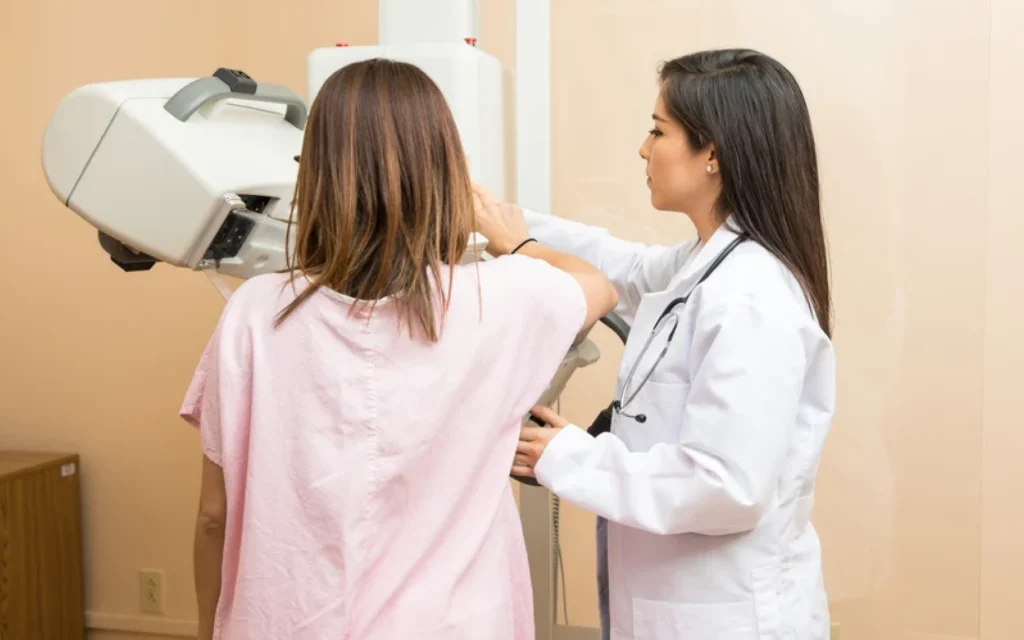
Mammography is a radiological examination that allows for the detection of lesions potentially high-risk for cancer or early-stage cancers that manifest solely as microscopic calcium granules (microcalcifications) exhibiting characteristics suggestive of malignancy.
There are many types of mammography machines, but the ones currently recommended are those equipped with tomosynthesis (digital systems); these allow for 3D breast imaging and are excellent for women with very dense breast tissue, where high-risk lesions might otherwise go undetected.
It is important to emphasize that not all microcalcifications are suspicious for cancer; only certain ones exhibit very specific characteristics.
The importance of mammography lies in the fact that it is the screening method shown to reduce the risk of death from breast cancer across all age groups, but particularly among women aged 50 to 70.
In light of the above, and following the guidelines of highly prestigious centers, the recommendation is for all women aged 40 or older to undergo a screening mammogram. It is important to note that women under 40 may also undergo the procedure if they have elevated risk factors for breast cancer or present with clinical findings that warrant it.
It is advisable to have the mammogram performed at a facility that has high-quality equipment and breast imaging specialists (radiologists), as the combination of both enhances the detection of lesions at early stages.
Multiple mammograms can be performed in a year; the radiation dose from a mammogram is very low. Ask your specialist whether it is warranted.
The importance of the test lies in the fact that one need not wait for a breast nodule to appear to make a diagnosis; by the time a nodule is present—if it were cancer—it would already be at a more advanced stage. This is where a timely mammogram can detect a lesion before it becomes a nodule, and it is here that this test has improved patient survival.
Our hospital has several mammography units of this type at various locations—such as Lindora, Plaza del Sol, San José, and San Carlos—and, even better, we have expert breast radiologists available to assist with detection. Furthermore, there are breast surgeons—like myself—who are dedicated exclusively to the surgery and management of breast cancer and general breast conditions.
Finally, here is a message to take with you: a timely mammogram could save your life. At Hospital Metropolitano Lindora, we have a specialized team ready to provide this care.
Prepared by:
Dr. Alvaro Peña Jiménez, senólogo